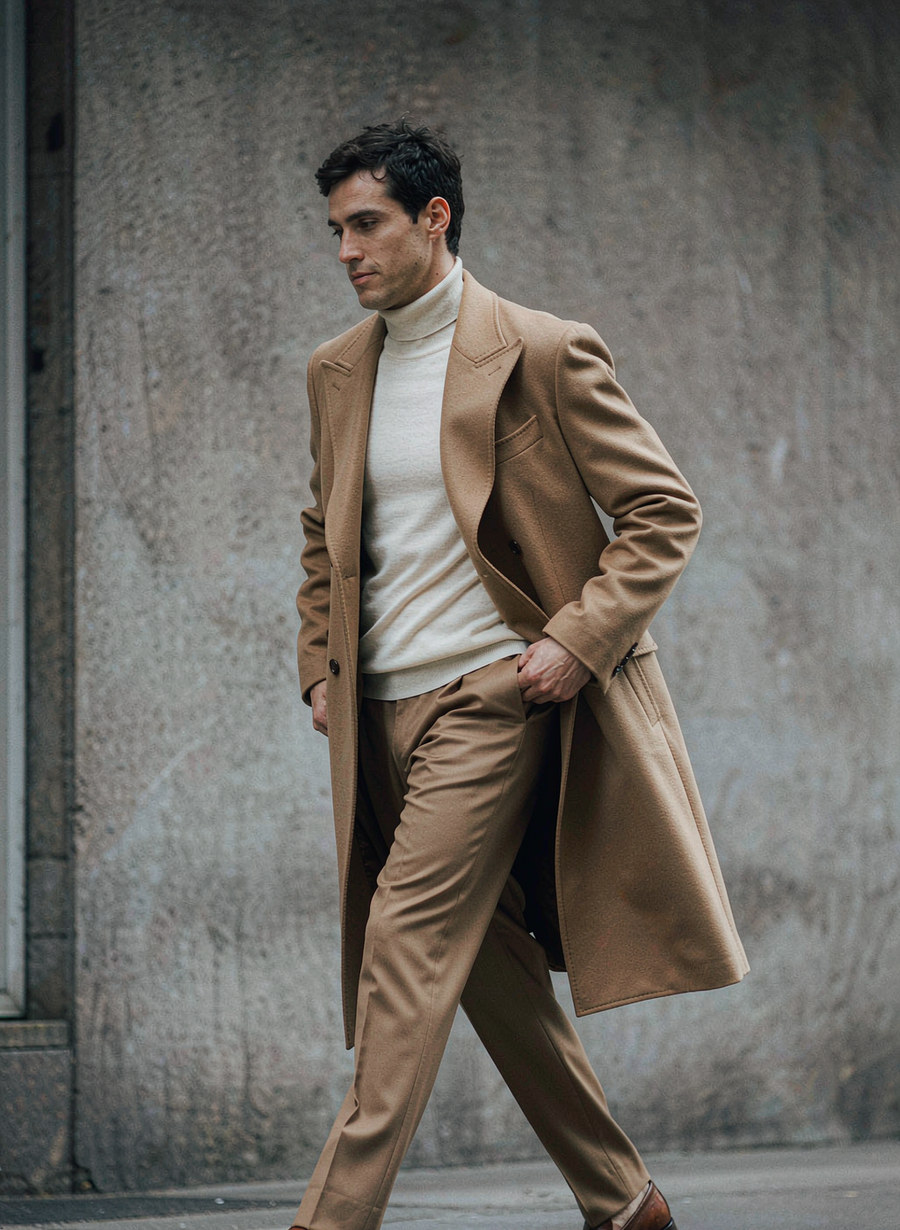
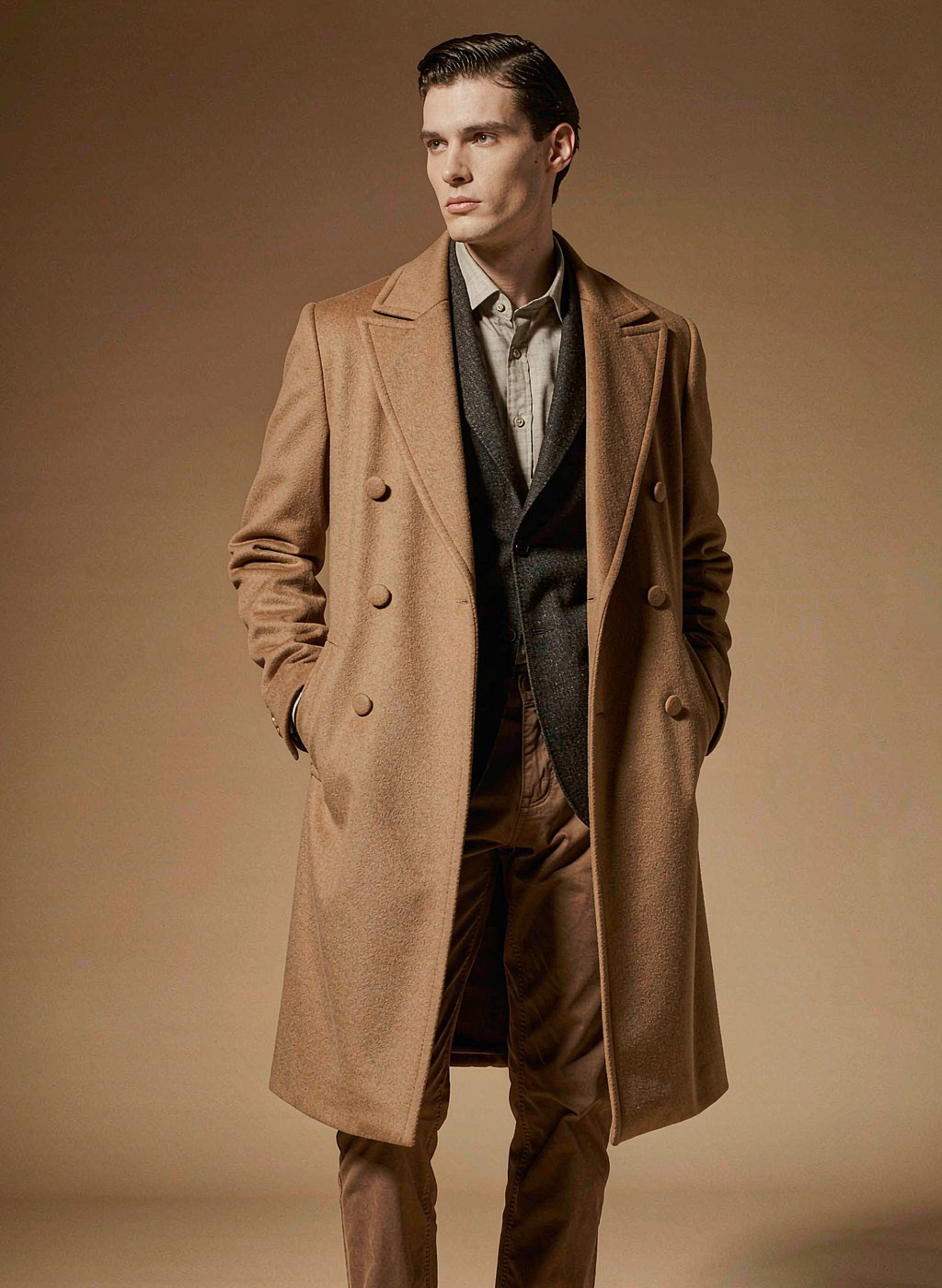
We started Aurenvelle because the middle of the market had gone missing. At one end, clothing built to be replaced within a season. At the other, prices that assume you will only ever buy one coat. We wanted the space in between: honest materials, quiet design, and a price that reflects what a thing actually costs to make.
So we work backwards from the material. We choose the hide, the yarn or the cloth first, then design the piece that does it justice. Everything is cut in runs of forty to a hundred and twenty, and nothing is discounted simply to clear stock — a style stays in the collection until it is right to change it.
What we hold to
Four things we won’t compromise on
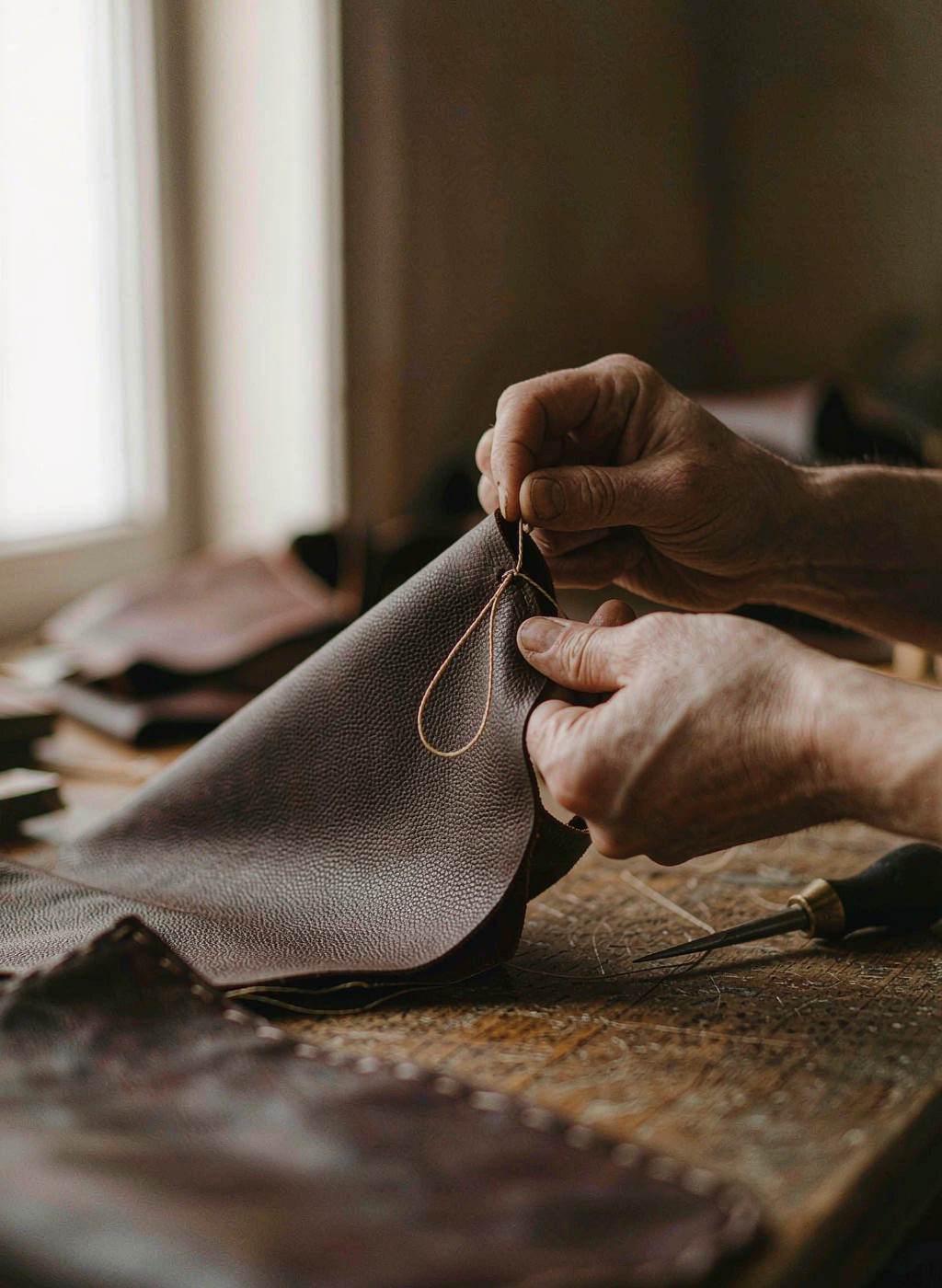
Full-grain hides
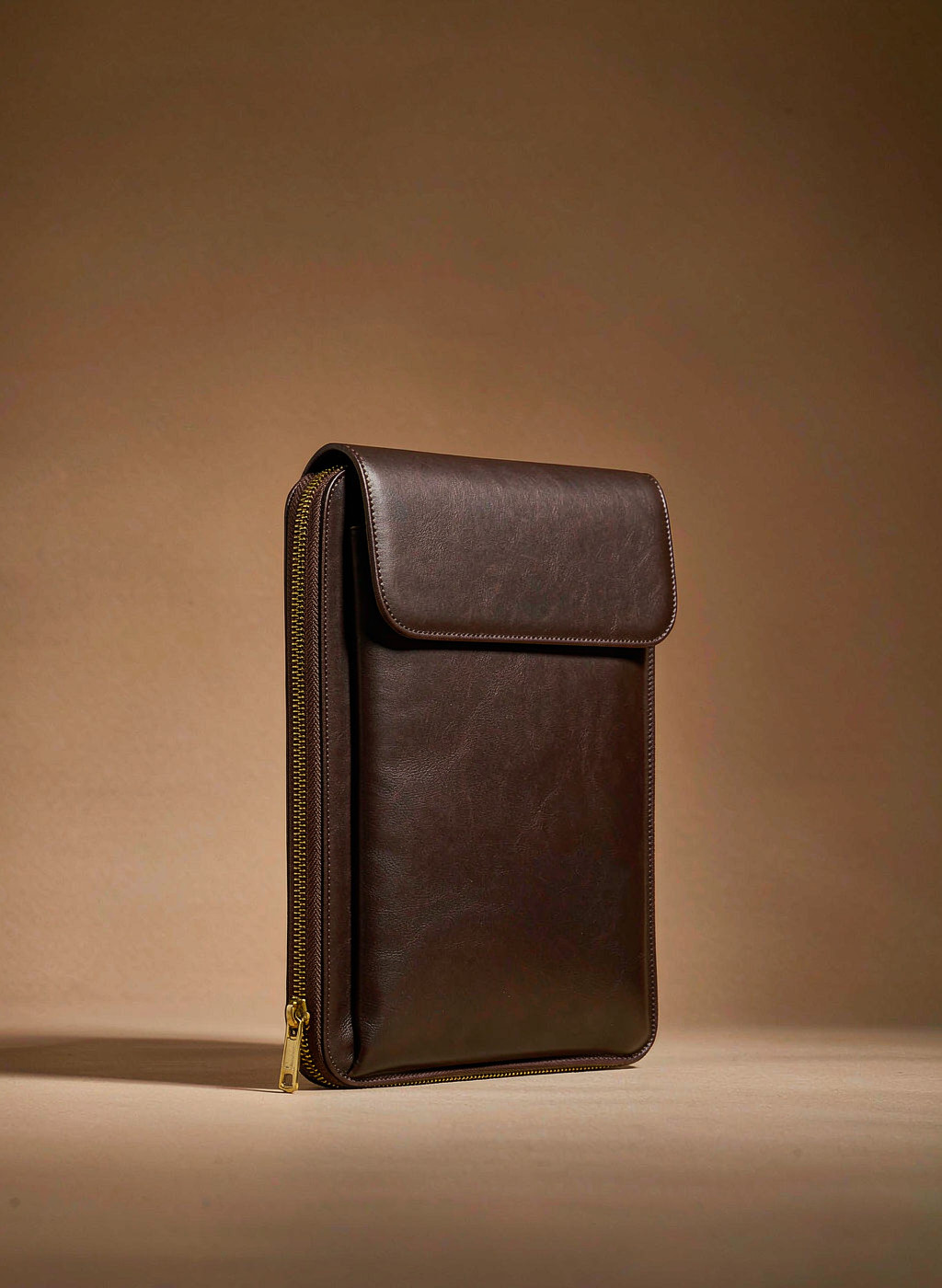
Vegetable-tanned full-grain from two family tanneries in Tuscany, chosen for how they age rather than how they photograph.
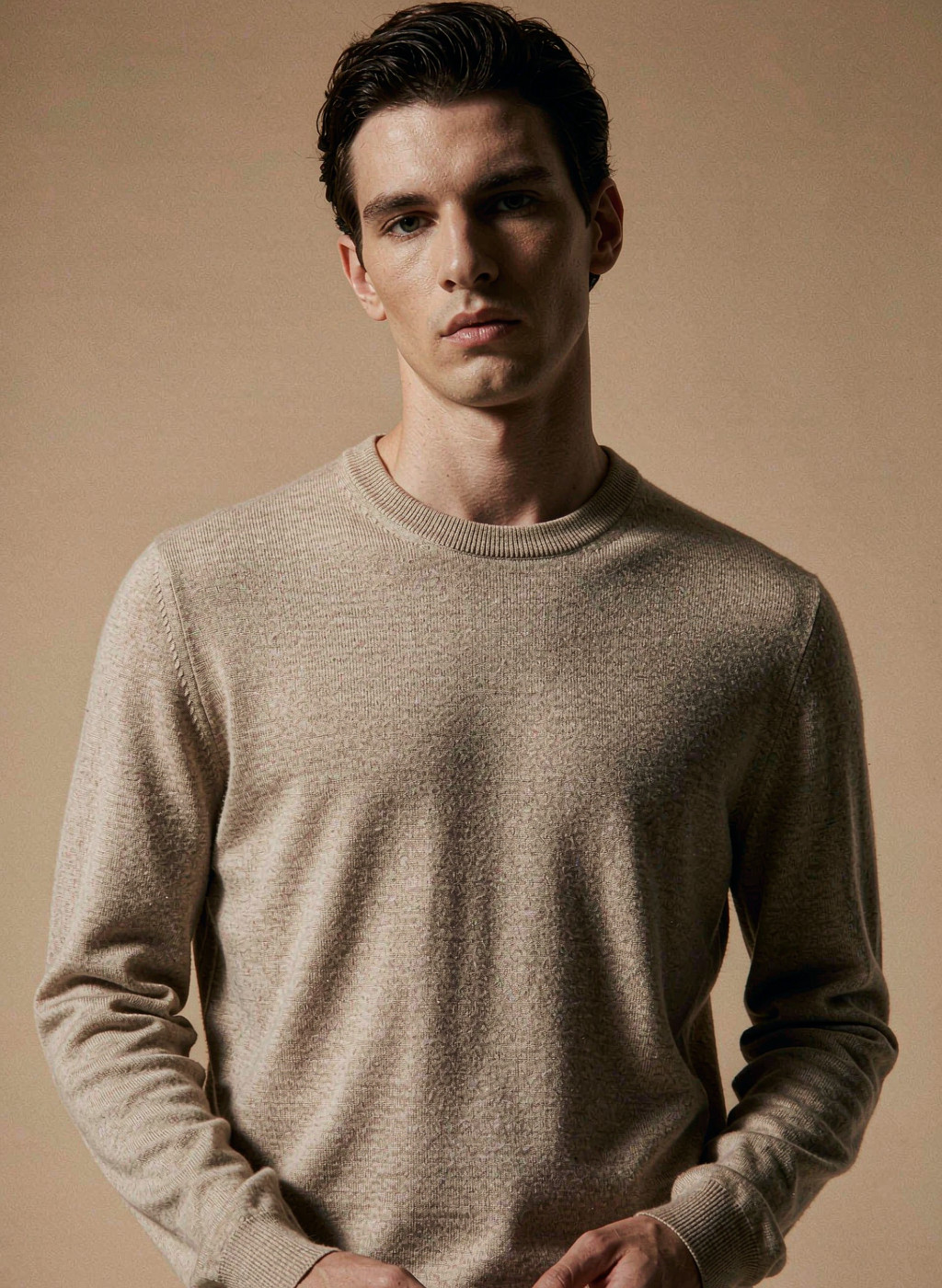
Natural fibres
Merino, cashmere and alpaca, with the micron count printed on the label. Nothing padded out with synthetic filler.
Small runs
Forty to a hundred and twenty pieces per style. When something sells out we make it again — never a cheaper version of it.
Repaired, not replaced
We keep hides, linings and hardware for seven years. Send a piece back and we will mend it before we ever suggest a new one.
A note from our founder
I spent eleven years buying for other people’s stores, and the thing I kept running into was always the same: beautiful clothes that nobody could justify, on rails next to cheap clothes that nobody could keep. Aurenvelle is my attempt at the honest middle.
If you buy one thing from us, make it the piece you will wear hardest. And if it ever lets you down, write to me directly — those messages come to my desk.
Materials worth the wait
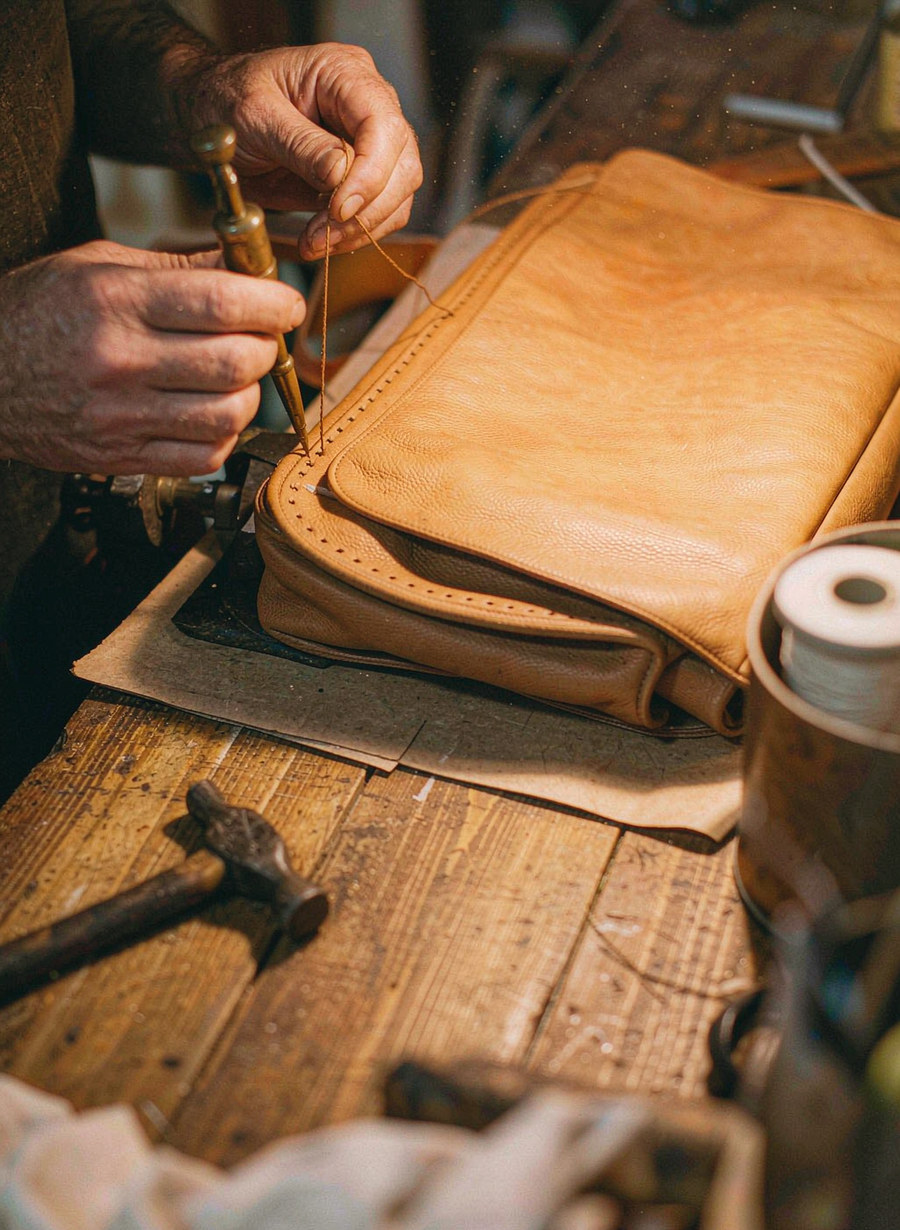
Our hides come from tanneries that still work with vegetable tanning, which takes weeks rather than hours. Our knitwear is spun in Biella, our outerwear cloth is woven in Portugal, and our shirts are cut from long-staple cotton woven in Japan. We pay for the slower version because it is the one that lasts.